
Start Ups
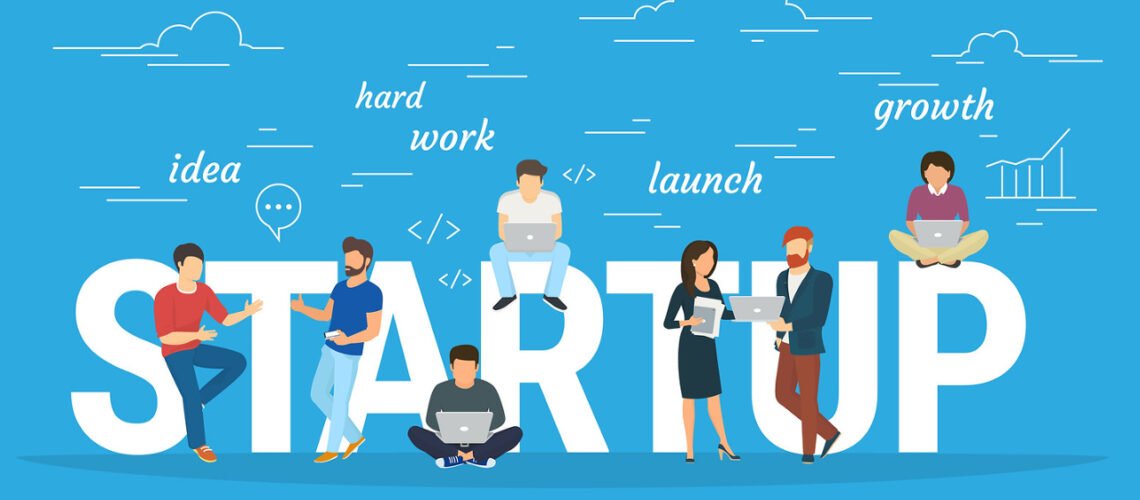
Startups play a crucial role in driving innovation, economic growth, and job creation in today’s rapidly evolving business landscape. Defined by their entrepreneurial spirit, agility, and willingness to disrupt traditional industries, startups are at the forefront of technological advancements, market disruptions, and social change. This article explores the phenomenon of startups, examining their characteristics, contributions, challenges, and key factors for success in the dynamic startup ecosystem.
Characteristics of Startups:
- Innovation: Startups are known for their focus on innovation, developing new products, services, or business models that address unmet needs, solve problems, or create value in novel ways.
- Entrepreneurship: Startups are founded and led by entrepreneurs who are driven by vision, passion, and determination to build successful ventures from scratch. They are willing to take risks, embrace uncertainty, and persevere in the face of challenges.
- Agility: Startups are characterized by their agility and flexibility, able to adapt quickly to changing market conditions, customer feedback, and emerging trends. They operate in fast-paced environments, iterate on ideas, and pivot when necessary to achieve growth and success.
- Scalability: Startups have the potential for rapid growth and scalability, leveraging technology, networks, and innovative business models to expand their reach, customer base, and market share.
Contributions of Startups:
- Innovation and Disruption: Startups drive innovation and disruption across industries, challenging incumbents, incumbents, and incumbents with new ideas, technologies, and business models. They introduce new products, services, and solutions that reshape markets, create new opportunities, and improve efficiency.
- Job Creation: Startups are significant contributors to job creation, hiring talent, and creating employment opportunities for skilled workers, professionals, and recent graduates. They fuel economic growth and vitality by creating new businesses, industries, and value chains.
- Economic Growth: Startups stimulate economic growth and prosperity by generating wealth, attracting investment, and fostering entrepreneurship. They contribute to GDP growth, innovation ecosystems, and the development of vibrant startup communities.
- Social Impact: Startups have the potential to drive positive social change by addressing pressing social and environmental challenges, such as healthcare, education, sustainability, and poverty alleviation. They develop innovative solutions that improve lives, empower communities, and create shared value.
Challenges Faced by Startups:
- Access to Capital: Startups often face challenges in accessing capital, particularly in the early stages of development when they may lack revenue, assets, or a proven track record. Securing funding from investors, banks, or venture capitalists can be challenging, requiring a compelling business case, strategic vision, and effective pitching.
- Talent Acquisition: Startups compete for talent in a competitive labor market, facing challenges in recruiting, retaining, and motivating skilled employees, executives, and technical experts. Building a talented team is critical to startup success but requires offering competitive salaries, equity incentives, and a compelling company culture.
- Market Competition: Startups operate in dynamic and competitive markets, facing competition from incumbents, established players, and other startups. Differentiating their products, gaining market traction, and building brand awareness are essential to survival and growth in competitive industries.
- Regulatory Compliance: Startups must navigate complex regulatory environments, comply with legal requirements, and address regulatory risks in areas such as intellectual property, data privacy, consumer protection, and industry-specific regulations. Regulatory compliance can be costly, time-consuming, and challenging for startups with limited resources and expertise.
Success Factors for Startups:
- Vision and Leadership: Startups need visionary leadership, strategic direction, and effective execution to translate ideas into reality and achieve their goals. Strong leadership inspires confidence, builds momentum, and rallies teams around a common vision.
- Market Validation: Startups must validate their ideas, products, and business models by conducting market research, testing prototypes, gathering customer feedback, and iterating based on insights. Market validation helps startups identify product-market fit, validate demand, and mitigate risks.
- Agile Execution: Startups should adopt agile methodologies, iterative development processes, and lean startup principles to accelerate learning, minimize waste, and optimize resource allocation. Agile execution enables startups to adapt to market feedback, pivot when necessary, and iterate on their products and strategies.
- Strategic Partnerships: Startups can leverage strategic partnerships, alliances, and collaborations to amplify their reach, access new markets, and tap into complementary resources, expertise, and networks. Strategic partnerships can provide startups with valuable opportunities for growth, scale, and market expansion.